During heavy rain, when is there a risk of aquaplaning?
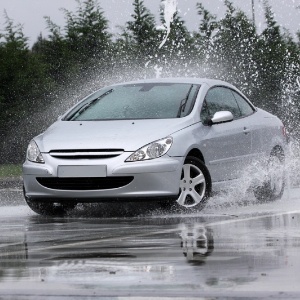
Aquaplaning happens when a film of water lifts the tyres off the road; the primary trigger is speed: at high speed even good tyres can’t evacuate enough water and you lose steering and braking.
- Speed: the faster you go, the higher the risk; slow down early in heavy rain.
- Water depth & ruts: standing water and wheel tracks make lift-off more likely.
- Tyre condition/pressure: worn tread or wrong pressure lowers the aquaplaning threshold.
- Prevention: reduce speed, avoid puddles, steer smoothly, and keep tyres in good condition.
Another official driving test related
When it is windy, driving a motorcycle is more dangerous when it blows...
In a curve with poor visibility, are you allowed to make a U-turn?
Are speed bumps in pedestrian crossings considered obstacles on the road?
Which wind is especially dangerous for a motorcycle?
Do you want to take the official DGT tests?
Start the examDuring heavy rain, when is there a risk of aquaplaning?
1
321
Explanation
Aquaplaning happens when a film of water lifts the tyres off the road; the primary trigger is speed: at high speed even good tyres can’t evacuate enough water and you lose steering and braking.
- Speed: the faster you go, the higher the risk; slow down early in heavy rain.
- Water depth & ruts: standing water and wheel tracks make lift-off more likely.
- Tyre condition/pressure: worn tread or wrong pressure lowers the aquaplaning threshold.
- Prevention: reduce speed, avoid puddles, steer smoothly, and keep tyres in good condition.
Do you want to do the
official exams of the DGT?