If the tyres wear more in the centre than on the sides, the tyre pressure is...
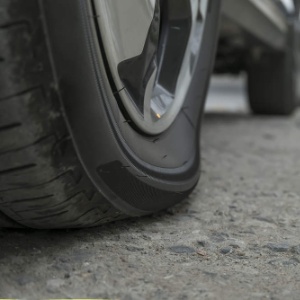
When the tread wears faster in the centre than on the shoulders, the tyre is overinflated: the casing “crowns,” so the middle of the tread carries most of the load and abrades quicker.
- Symptoms: smaller contact patch, harsher ride, reduced wet grip.
- Risks: longer braking distances and higher aquaplaning tendency.
- Fix: check pressures cold and set them to the vehicle placard/manual (not the sidewall max).
- Good practice: monitor tread across the width, rotate on schedule, and verify alignment if wear persists.
Another official driving test related
What is the danger in braking on a wet road surface?
The braking distance is the distance the vehicle travels after the driver...
When do tires have to be changed?
If the tyres wear more in the centre than on the sides, the tyre pressure is...
Do you want to take the official DGT tests?
Start the examIf the tyres wear more in the centre than on the sides, the tyre pressure is...
1
213
Explanation
When the tread wears faster in the centre than on the shoulders, the tyre is overinflated: the casing “crowns,” so the middle of the tread carries most of the load and abrades quicker.
- Symptoms: smaller contact patch, harsher ride, reduced wet grip.
- Risks: longer braking distances and higher aquaplaning tendency.
- Fix: check pressures cold and set them to the vehicle placard/manual (not the sidewall max).
- Good practice: monitor tread across the width, rotate on schedule, and verify alignment if wear persists.
Do you want to do the
official exams of the DGT?