On an unpaved road, what is the maximum speed at which a passenger car may travel?
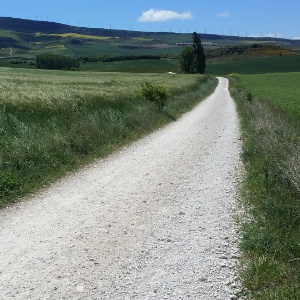
On unpaved roads, a passenger car must not exceed 30 km/h.
The loose, uneven surface reduces grip and lengthens braking distances, so the law sets a lower limit for safety.
- Traction: gravel/dirt lowers tyre grip and stability.
- Braking: stopping distances increase markedly.
- Visibility: dust clouds can hide hazards and oncoming traffic.
- Users: frequent presence of pedestrians, cyclists, or animals.
Adjust speed further if visibility is poor, the road is rutted, or conditions worsen.
Another official driving test related
Does speed influence the driver's ability to anticipate?
Can driving at high speed be dangerous?
Driving at an appropriate speed allows us to...
Must a vehicle slow down to facilitate an overtake?
Do you want to take the official DGT tests?
Start the examOn an unpaved road, what is the maximum speed at which a passenger car may travel?
1
231
Explanation
On unpaved roads, a passenger car must not exceed 30 km/h.
The loose, uneven surface reduces grip and lengthens braking distances, so the law sets a lower limit for safety.
- Traction: gravel/dirt lowers tyre grip and stability.
- Braking: stopping distances increase markedly.
- Visibility: dust clouds can hide hazards and oncoming traffic.
- Users: frequent presence of pedestrians, cyclists, or animals.
Adjust speed further if visibility is poor, the road is rutted, or conditions worsen.
Do you want to do the
official exams of the DGT?