Chapter 1: Vehicle Types
1. Definitions:
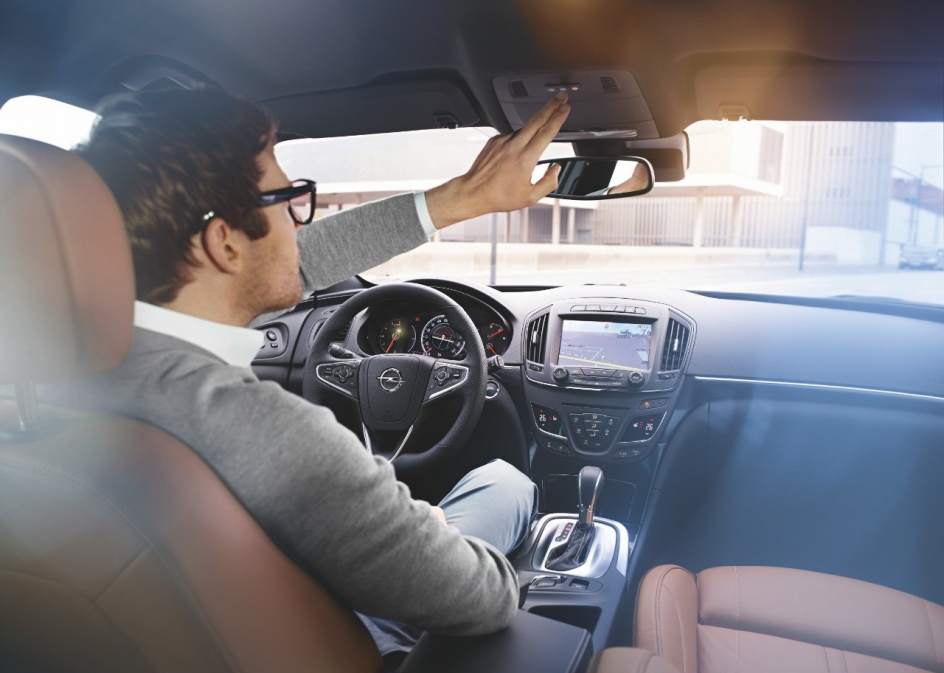
Driver: The person handling the steering mechanism or the controls of a vehicle, or in charge of animals. In dual-control vehicles, the driver is the person who is in charge of the additional controls.
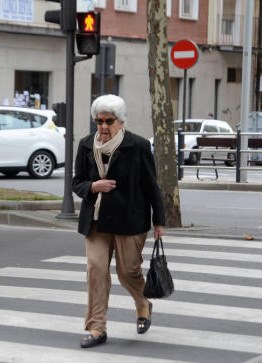
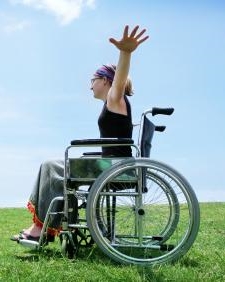
Pedestrian: A person traveling on foot, walking while pushing a small non-motor vehicle, bicycle, two-wheeled moped or VMP, or a person with a disability using a wheelchair at walking pace, with or without a motor. A person with reduced mobility using a personal mobility vehicle (VMP) at walking pace is also treated as a pedestrian.

Vehicle owner: The person whose name appears on the vehicle registration.
Policyholder: The person who takes out the insurance policy with the insurer.
Vehicle occupant: The person who is inside the vehicle.
Vehicle: Machine fit for travel on public roads.
Habitual driver: A properly licensed driver, entered in the driver register, whom the owner or long-term lessee identifies to the vehicle register with the driver’s consent. This designation is compulsory when a vehicle is first registered for a number plate by an individual without driving authorisation.
Vulnerable road users: Pedestrians, especially children, older people and people with disabilities or reduced mobility; cyclists; VMP users; and motorcycle and moped riders and passengers.
VEHICLES
- MOTOR VEHICLES
- Automotive vehicles
- Car
- Panel van ("car-derived van" UK / "sedan delivery" USA)
- Motorcycle
- Motorized tricycle, motor trike, or three-wheeled motorcycle
- Heavy quadricycle (light quadricycles are excluded; some quad/ATV models are classified as special vehicles)
- Lorry (UK) / Truck (USA)
- Tractor Unit (lorry cab / truck cab)
- Bus/Coach
- Trolleybus
- Special vehicles
- Special construction vehicles
- Special vehicles for certain services
- Special agricultural vehicles
- VEHICLES NOT CONSIDERED MOTOR VEHICLES
- Streetcar/Trams
- Two-wheeled moped
- Three-wheeled moped
- Light quadricycle
- Vehicles for people with reduced mobility
- Pedal-assisted cycles
- Personal mobility vehicles (VMP)
- VEHICLES WITHOUT MOTOR
- Cycle
- Bicycle
- Vehicles pulled by animals
- Trailers
- Semi-trailers
- Towed agricultural machinery
2. Types of vehicles:
Vehicles NOT considered motor vehicles
- Tri/quad/bicycle (cycle): Vehicle with two or more wheels which is moved by the muscular effort of the people who occupy it through pedals or cranks.
- Two-wheeled moped: Maximum design speed no more than 45 km/h; an internal-combustion engine no larger than 50 cm³, or an electric motor with maximum continuous rated power of 4 kW.
- Pedal-assisted cycle: Auxiliary electric motor no more than 250 W; assistance progressively cuts out before 25 km/h or when pedalling stops.
- Personal mobility vehicle (VMP): One or more wheels, one person only, exclusively electric propulsion and maximum design speed between 6 and 25 km/h. A seat is allowed only with a self-balancing system.
Motor vehicles
- Automobile: Designed for the transport of persons, goods or to tow trailers. Special vehicles are excluded from this definition.
- Motorcycle: Two wheels, with or without a sidecar; an internal-combustion engine greater than 50 cm³ and/or a maximum design speed greater than 45 km/h.
- Car: Designed to transport people, with 4 or more wheels and up to 9 seats including the driver.
- Bus or coach: Vehicle with more than 9 seats including the driver. Its function is to transport people and their luggage.
- Adaptable mixed vehicle: Carries goods and people, simultaneously or alternatively, with up to 9 seats including the driver; authorised seats may replace all or part of the load space.
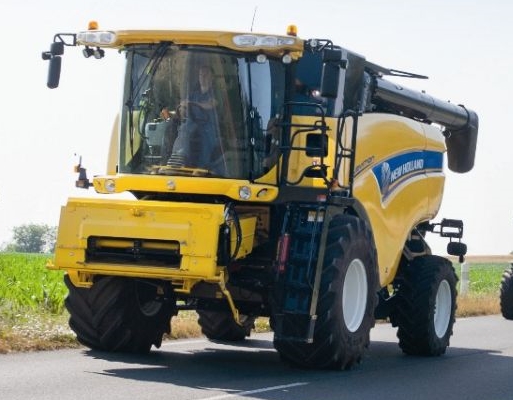 Special vehicle: Self-propelled or towed vehicle designed for particular works or services and exempt from some technical requirements or permanently exceeding normal mass or dimension limits; this category also includes agricultural machinery and trailers. There are 3 types:
- Agricultural
- Construction
- Service
3. Other definitions:
Light trailer: A trailer with a MAM of no more than 750 kg.
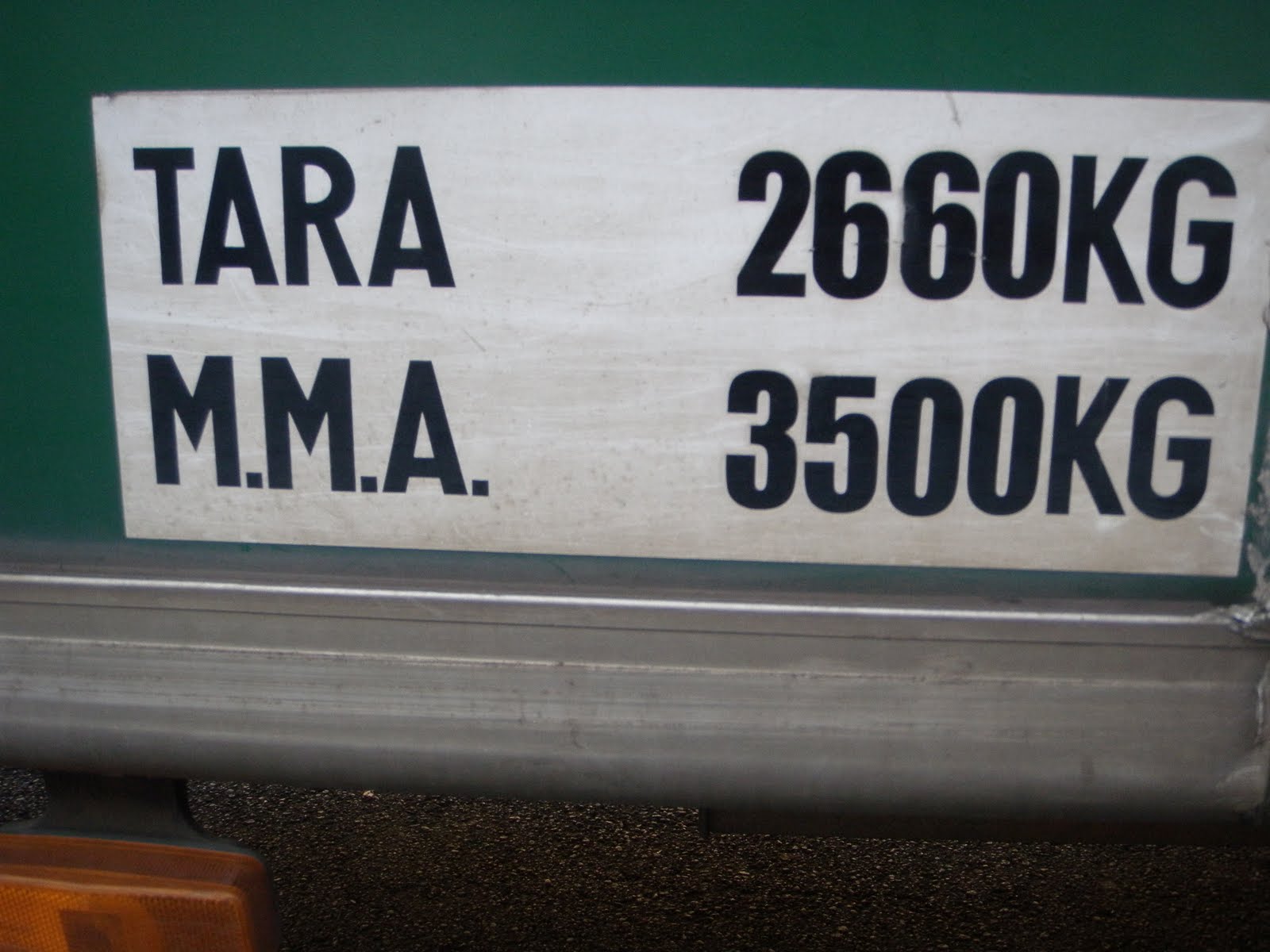
Tare: Mass of the vehicle, with its permanent authorized equipment, without drivers, passengers or cargo, and with its supply or water, fuel, oil, spare parts, and required tools and accessories.
Maximum authorized mass (MAM): The maximum weight for use of a vehicle with its cargo in circulation on public roads.
If we subtract from the MAM the TARE, it gives us the total amount of weight that this vehicle can carry: 3,500 kg - 2,660 kg = 840 kg (then the driver / people will have to be subtracted)